




The “high-value” suspects were declared enemy combatants by their Combatant Status Review Tribunals, a judicial process determining eligibility of Guantanamo detainees to face prosecution for war crimes before a military commission. The declaration, however, has proven contentious in the past. A case against Omar Khadr, a Canadian citizen who was accused of the murder of a U.S. soldier in Afghanistan, was thrown out of the commission because he had been designated an “enemy combatant.”, not an “unlawful enemy combatant.” Though largely semantic, the legislation defining the military commissions states that only those classified as “unlawful enemy combatants” may face prosecution for war crimes.
The transfer of detainees to other countries has also faced legal hurdles. Recently, the British government formally requested the transfer of five detainees to Britain because of their ties to the country. Diplomatic hurdles remain, however, over the fate of the detainees once in British custody. At the U.S. Supreme Court, justices are considering the transfer of a detainee to his native Algeria. Ahmed Belbacha has made pleas to prevent his transfer to Algeria for fears of torture or death at the hands of Islamic radicals. These cases, while signaling steps towards processing Guantanamo detainees, highlights the logistical hurdles facing the Pentagon.
U.S. President George W. Bush and Defense Secretary Robert Gates have both said they wish to close the detention facility at Guantanamo Bay, but the administrations demands for the detainees and diplomatic hurdles have stagnated the process considerably. A successful transfer of 150 suspects the Pentagon deems eligible would leave 130 suspects remaining, of which 80 are slated for prosecution of war crimes.
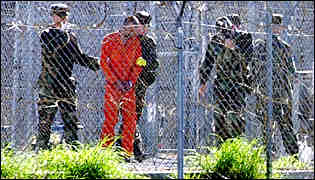
The U.S. has been operating a detention facility at its naval base in Guantanamo Bay, Cuba, since 2002. The facility has been criticized for placing suspected terrorists in a legal black hole. The Supreme Court had ruled that the system in place at Guantanamo was unconstitutional and forced the Bush administration to define new rules for the prosecution of suspects there. Since then, several cases have been processed, though the legal scenario remains controversial.