


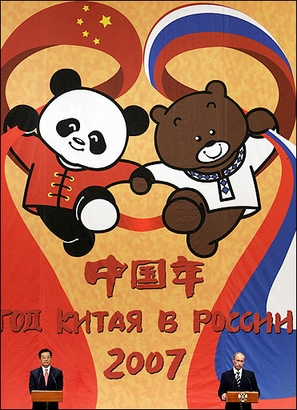
Kagan may be labeled a neoconservative, but his analysis is largely based on Realist principles. He focuses on state vs. state conflicts and believes that each state largely acts regarding its national interests. What Kagan brings to the table in this new book is his analysis of Russia and China's abilitiy to change the international system in ‘profound ways.’ He does not believe the world is heading back to an ideological confrontation, i.e. the Cold War, but argues that this is a ‘new era,’ where there are growing tensions and possible confrontations between the forces of liberal democracy and those of autocracy. It is true that most people look at China and Russia as just simple, realist states that just follow their national interests and care for little else, but Kagan asserts that they indeed do have beliefs; they believe that states and societies need order and stability to prosper and that strong authoritative governments can provide this better than democracies.
Kagan discusses how these autocracies’ view the West's liberal international system and their continual changing of international law and challenges to state sovereignty as just an excuse for these Western states to further their own interests. For instance, China, Russia, and the other authoritative leaders in CA considered Kyrgyzstan's 2005 Tulip Revolution an attack on their region's and personal security. This West-backed inflitration was an affront to their stability and to Kagan these autocracies are finding ways to fight back.
Even though the West/US has a strong hold on the international system, these autocrats still carry much sway in the world's order and in Central Asia, especially with China's dramatic rise in power and Russia's resurgence. These autocratic powers are dangerous because they provide other authoritative states and leaders protection and an alternative model of development and this is especially true of China and Russia's influence in CA. In many ways Russia and China help these despotic nations by battling the West's system of international law, which has featured elements that challenge sovereignty in favor of universal human rights. As one Chinese official stated right after Tiananmen Square in 1989; ‘What right does the US government have to….flagrantly interfere in China's internal affairs.’ This statement has relevance to many people and societies throughout the world.
Kagan is correct, the End of History is not upon us and though the Western world's liberal/democratic system prevailed in the Cold War and still rules over most of the planet, it is indeed facing a potent and capable challenger in these strong, growing autocratic state systems.
And in case you’re not worried enough, here is another related article arguing that the world is getting more and more militaristic as nations battle for resources and power.
Sleep well.