


This afternoon, Pavel Gusev, the editor of the daily Moskovsky Komsomolets, gave a revealing interview with Masha Myers and Matvei Ganapolsky on the liberal radio station Ekho Moskvy headlined "Empty Front Pages: What is the Russian Press Protesting Against?". (Listen to the archived program here )
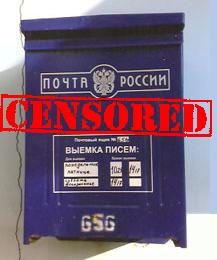
The policy in question was a recent, subtle and little noticed reform of the postal system. The state post office, which holds a monopoly on the subscription of periodicals and newspapers, had raised the price of such subscriptions by 150% for some rural residents.
Animated and alarmed, Gusev did not mince words. "People will just not read anymore. There will be no opportunity to have access to the pressIt is a violation of freedom of speech", he said during the Razvorot (Turn-Around) program broadcast on May 20.
So what made the veteran editor, along with the leadership of just about every major Russian daily, practically equate such apparently banal postal machinations to Politkovskaya's murder?
Because the fare hike would have put newspapers and magazines out of the financial reach of large numbers of Russians, especially those living in the heartlands who rely on subscriptions for most of their news, Gusev claimed it amounted to state censorship of the press.
Gusev rejected any economic motive behind the price rises, saying that as a monopoly provider of subscriptions, the government and its postal system must guarantee access to information. He then called for an increase in the postal subsidy.
So should Russia's remaining subscribers brace themselves for a spate of blank front pages tomorrow morning?
Not quite yet. It seems that on the eleventh hour, the protest was called off after the "most senior authorities" signalled a possible change of heart, or at least a willingness to negotiate. Talks between the press and the new Press and Media minister are to be held on Thursday, and Gusev is confident of a productive outcome.
For Russia watchers keen to decipher the direction and inclinations of the new president, the incident provides some tantalising, if contradictory, glimpses. Did this subscription hike mark the beginning of a new phase in the ongoing onslaught on the press, with smoother, more stealth tactics replacing Putin's heavy handed bullying? Or did the authorities' back-down and willingness to seriously negotiate with the intelligentsia give us the first taste of potentially radical political changes to come?
We'll keep you posted