

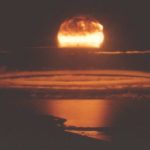

Thanks to the new relationship between the U.S. and Russia (after hitting the proverbial reset button) it would appear that progress in being made in nuclear non-proliferation talks. According to this report from the Reuters news service:
Delegates meeting on the 1970 Non-Proliferation Treaty struck their first agreement on the anti-nuclear arms pact in a decade on Wednesday, which diplomats said was largely due to US President Barack Obama. Three days into a two-week meeting on the landmark arms control agreement, delegates from its 189 signatories agreed on an agenda for a major conference next year, where member states hope to adopt an action plan to overhaul the treaty.
Several potential flashpoints remain that could derail talks, including dealing with nuclear countries that never signed the treaty (Israel, India and Pakistan), nuclear countries that have withdrawn from the treaty (North Korea), and countries seeking (or believed to be seeking) a nuclear capability (Iran).
The Carnegie Endowment for International Peace recently hosted a discussion with Russian Foreign Minister Sergey Lavrov in which he noted that:
Russia and the United States, with 90 percent of the world’s nuclear weapons, bear primary responsibility for reinvigorating the strained nonproliferation regime. They must make deeper cuts in their arsenals, reinforce IAEA safeguards, and encourage universal adoption of the Additional Protocol.
President Obama will visit Moscow in July and nuclear proliferation and the status of nuclear arms control treaties will be at the top of the agenda. If you have an interest in keeping up with the nonproliferation debate, I recommend the Carnegie Nonproliferation website, as well as the Arms Control Wonk blog.