



Mexican guides known as “coyotes” smuggle people across the border in any means possible, some may actually deliver as promised, other prey on the vulnerable, and few are trustworthy. Many “coyotes” lure one with the promise of a big job in the US, however that big job can often turn into nothing less than a situation of slavery. However many take great risk and their journey’s are far from safe regardless of their guide, many of those who place it all on the line are mere children, many who make the treacherous journey alone. It is estimated that there are some 100,000 unaccompanied minors crossing the border each year.
Risking the harsh and unpredictable elements is not all that one has to fear as they make the journey for a dream, for often they are the least of ones concern. Smugglers often turn into traffickers, Board Patrols often turn into rapists… as do many others along the way. Forced to trust strangers int he dark children are at risk for sexual and physical abuse, abandonment, and death.
In 2007, more than 90,000 unaccompanied children were apprehended along the southern border of the United States. Most were returned to Mexico (the country of nationality of the majority of these children), some were reunited with family and approximately 8,000 children were placed in immigration proceedings and in U.S. custody. (U.S. Faces Challenges in the Protection of Unaccompanied Children – Women’s Refugee Committee, February 2009)
The report 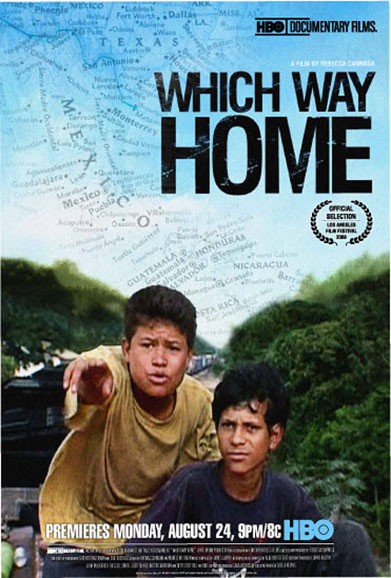
on the US/Mexico Border, United States Conference of Catholic Bishops (USCCB), October 2006, goes in depth to look at the long term consequences of children seeking to cross the border. The report not only looks at their vulnerability, those who prey on them, but also the effects on both the economics of the areas they are leaving and the United States need to increase effective policies and services to assist and care for such children. In many areas the number of school-aged children who are seeking to migrate in search of work, versus those who continue to pursue an education, has increased and local leaders fear an entire generation could be lost, leaving the entire community facing increased economic hardship as they struggle to find workers and maintain a stable local economy. While economics seems the clear reason for children to go willingly in search of a better life, it is not always the case, as many have been victims of abuse and sever poverty, which leaves them even more vulnerable and exposed to exploitation, regardless of where they find their final destination to be.

The migrant children in Altar (Mexico) described horrific experiences, including sexual and physical assaults, being abandoned by family members and traveling companions and unable to find food and shelter throughout their travels. Girls as young as 12 years of age described being drugged, groped and raped by law enforcement officials and other migrants. Some children were forced to resort to prostitution because it was the only way to finance their housing, food, and journey.
The effects and risk of unaccompanied minors are high and it is clear that much needs to be done on all sides to ensure that an entire generation, or generations, of children are not lost.
A groundbreaking new documentary, Which Way Home, takes you into the lives some some of the youngest and most vulnerable, who risk exploitation, abuse and their lives for a life in the United States. See the review on the Foreign Policy Associations, Global Film blog, by Sean Patrick Murphy here
Last year the documentary, No Mans Land, took you face to face with some of the children crossing the Mexican boarder with Arizona. The film shows the harsh reality that the children have faced by the time hey reach the US, which it is averaged that the Department of Homeland Security (DHS) can have up to 700 in custody at any one time.