


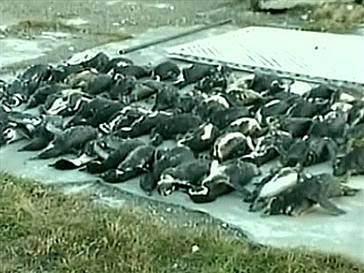


Livestock and other animals have also died in the thousands in Paraguay and Southern Brazil, where there are no stables because temperature aren’t known to get so low. In Brazil, the weather is the main suspect in the death of 500 penguins, which have washed ashore on the state of Sao Paulo’s coasts over the last ten days. It seems likely that they starved, as autopsies revealed their stomachs were completely empty. Dead dolphin and sea turtles have also washed ashore. Colder than normal water temperatures are believed to have hurt populations of the fish and other species that make up the animal’s diet.
Meanwhile, a sustained heat wave has beset parts of Russia, including Moscow. Last weekend, temperatures there broke record highs, set in 1920. This wave, too, is causing more than mild discomfort. On Monday, 71 people died in water-related accidents (drowning and injury from sharp objects under the water’s surface) as they attempt to cool off. Tragically, almost 600 people have drowned this month in Russia, in many instances because vodka and swimming are a combination best left unstirred.
While no one has said it yet, this seems to be one more pang in climate change’s opening act. I fear erratic and exacerbated weather patterns are unlikely to be considered such an anomaly in the summers and winters ahead.