New Orleans, an old colonial city known for jazz and southern hospitality, seemed like an unlikely place for Tsarist treasures. That is, until I came across an exhibition of Faberge antiques at the NoMA last weekend.
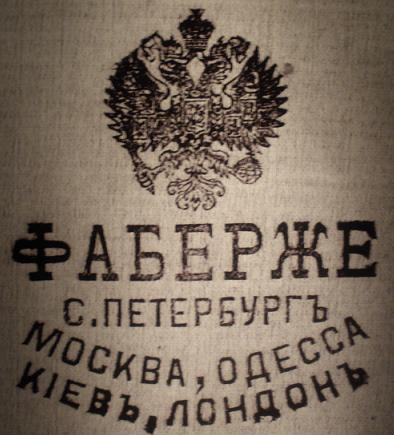
I must have seen Faberge eggs in the Hermitage as a kid, but didn't remember them well. Unfortunately, there were no eggs in this collection, but the brooches, silverware, a glass and gold flower, animal figurines made out of jewels, enamelled cigarette cases had a crisp, austere luxury. Not surprisingly, for Faberge was born to a family of exiled French Huguenots.
Many of the items were commissioned for other European nobles, most of whom were in one way or another related to the Russian tsar. They were manufactured by a huge team of craftsmen in factories, and sold through Faberge stores all over the Russian empire as well as London and Paris.
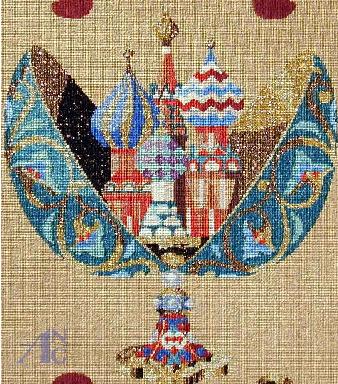
Carl Faberge himself never built a single piece of jewellery: his gift was the business savvy of an outstanding, globalised marketer. In fact, the famous eggs were themselves a marketing gimmick, an Easter trinket for the Royal family that was only a sideline to the wide range of other goods the firm produced.
In its merchandising, internationalism and business sense, the whole enterprise felt so thoroughly modern, it could be happening right now. In fact, I could not help but notice the parallels between Carl Faberge's Russia and the present day one. By the turn of the century, Russia remained the last absolute monarchy in Europe. Yet it was a haphazardly modernising one, oscillating between reform and reaction, and had become very open to the West for its elite.
Today, just like in Faberge's day, the Russian upper classes travel freely between London, Courchevel, Milan and Paris. And just as in 1900 Russia, the sophistication and economic globalisation of luxury goods and lifestyles fatally obscured the backwardness of other more critical social and economic sectors.
In many ways, Russia's ruling classes today are becoming as complacent about their country's long-desired integration into "the rest of the world' as they were in the waning years of tsarism, having finally achieved a degree of cosmetic "normality': reality TV, foreign travel, facebook.
When the Russian aristocracy traded in their gold and furs for understated, elegant and modern Faberge accessories they began to believe that their country had also magically transformed with them. Similarly, today's trendy, Westernised elites wouldn't be caught dead with the stretch Rolls Royces, burgundy tuxedoes and gaudy manicures preferred by the first generation nouveaux russes. But, having renounced contract killings on rival businessmen and embraced a high end Bobo minimalism, they should not get too comfortable or forget Carl Faberge, who ran out of Russia with his life less than a year after delivering another egg to the Tsar.