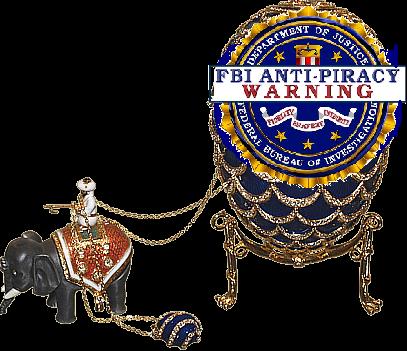
“In 1999, while taking a break from my PhD to try to get rich in the fine jewellery business, I nearly became the world's largest counterfeiter of Fabergé eggs”.
So begins jeweller-turned-philosophy professor Clancy Martin's hilarious account of his aborted attempt to create an international criminal operation involving an oligarch-mobster and using a group of unemployed Russian master craftsmen. In between lies a vivid and beautiful account of deep hidden meanings of the famous eggs, and the murky history of the House of Faberge.
It's hard not to see the Fabergé eggs as a metaphor for the Romanov family, that final, ostentatious flourish of European aristocracy: beautiful, hugely costly, useless, even silly. The Fabergé eggs were the end of one idea of Russia.
Read all about it in the latest issue of the London Review of Books.
