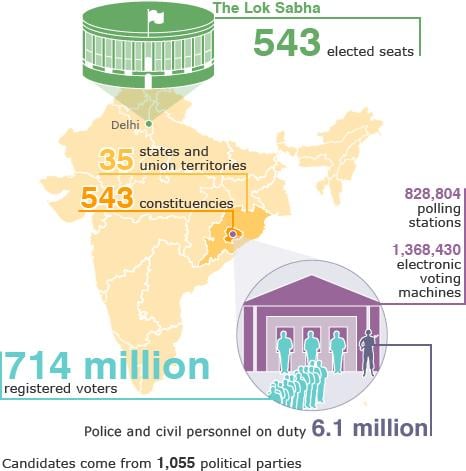
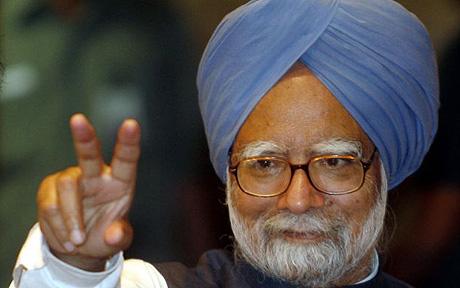
206. On Friday, Manmohan Singh was sworn in as India’s prime minister. Mr. Singh is the first prime minister since Jawaharlal Nehru to return to office after serving a full five-year term. The Congress Party unexpectedly romped to victory by a big margin in the world’s largest exercise in democracy. Instead of an unwieldy and unstable coalition, the Congress Party won 206 parliamentary seats (Congress and its allies won 262 seats).
In an interview with the Council on Foreign Relations, Teresita Schaffer, director of the South Asia program at the Center for Strategic and International Studies, said Congress alone commands about 75 percent of the votes needed to maintain a majority and “that means they have a good chance of lasting out their five-year term without too much drama.” The strong mandate and what should be a stable parliamentary majority will allow Congress to act more decisively and implement necessary policies and reforms.