
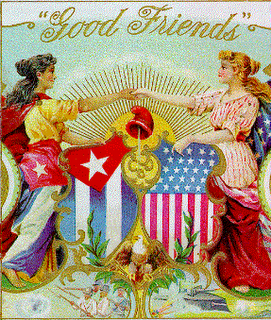
One significant topic is getting overlooked in all the excitement to open up travel and trade with Cuba: there are more than 5,900 current claims against the assets on the island that were seized (nationalized) by Fidel Castro soon after he overthrew Fulgencio Batista. The initial U.S. response to these appropriations—a large reduction in the Cuban import quota of brown sugar—was the first step in what eventually became a full economic embargo on products from the island. Today, the individuals with claims on these assets, as well as descendants of original claim-holders, are angry that policymakers and the U.S. media and public have lost sight of that essential origin of the embargo. The issue is rarely, if ever, mentioned by the congressional leaders who have traveled in recent months to Cuba and subsequently pushed for warming relations with the island.
But the number of claim-holders is relatively small, even if the estimated value of their claims is large—around $6 billion today. They are not likely to be able to stand in the way of further policy changes.
And ultimately (assuming this is all in the interest of being “fair,” since after this many years, it is certainly not about need), if the score were to be tallied, who would have been deprived of more: these U.S. citizens having lost property and shares, or the Cuban people who have lost so much potential revenue from the economic embargo?
Still, Mary Sanchez writes: “To not address the claimants appropriately would be the lynchpin in the long history of U.S. political failures regarding Cuba.” And indeed, without having achieved a change in regime, transition to democracy or demonstrated respect for human rights on the island, the last possibility for meeting a U.S. policy goal with respect to Cuba would be to settle these long-standing debts. This does not speak to whether the properties should have originally been owned by U.S. citizens (some argue that their ownership of so much of the island’s property and industry was a reprehensible part of U.S. imperialism, and their claims should therefore be void), nor whether the embargo was the right implementation of the goals of U.S. policy (many would say that it was not). It is simply a fact: if these debts do not get settled, 47 years of embargo will not have achieved a single one of its goals.
