
The H1N1 virus doesn’t seem to be going away in Israel or in Palestinian controlled areas. The rate of infection in Israel has risen 3.6 percent in two weeks, infecting a total of 2,148 people in the entire country thus far.
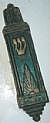
In order to combat the spread of the illness, the rabbinate is taking measures into its own hands, starting with the mezuzah. Jews customarily affix the mezuzah, a small box with religious writings, on every doorway. Religious Jews then touch the mezuzah and kiss their hand according to the custom. A doctor at a major Israeli hospital (Assaf Harofeh Medical Center) issued an order to avoid touching the mezuzah upon entering rooms in order to combat the spead of the illness. One prominent rabbi instructed followers to heed the medical advice but to continue symbolically touching the mezuzah in the air. Israel’s Chief Sephardic Rabbi Shlomo Amar said:
“If a specific order is given in the matter, the mezuzah must be kissed from the air, to ensure that the custom is not forgotten.”
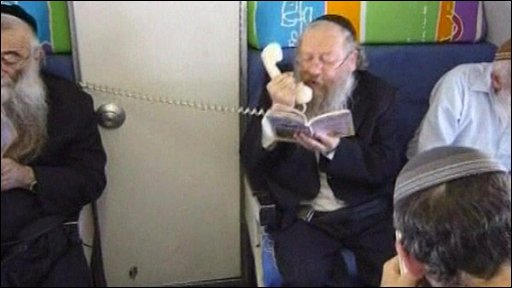
Another group of rabbis and mystics took a more lofty approach to ward off the illness. 50 religious leaders boarded an aircraft on Monday and circled Israel while blowing the shofar and reciting religious texts in an effort to halt the spread of H1N1. In support of the flight, one Rabbi said:
“The purpose of the flight was to stop the epidemic, thus preventing further deaths… We are certain that because of our prayers danger is already behind us.”
Because pigs are considered an unclean animal in Judaism, many religious individuals refuse to call the illness “swine flue” and opt for the the term H1N1 or “Mexican flu,” a reference to the origin of the illness.
Aside from the rabbinate’s initiatives, the Palestinian Authority is spearheading programs to stop the spread of the H1N1 flu in the West Bank, where three additional cases were reported earlier this week. Notably, the Palestinian Authority earmarked $8 million to purchase additional vaccines against the virus. The number of H1N1 cases in Islamic areas may rise next month during the fasting month of Ramadan as millions of Muslims travel to Mecca for the Hajj pilgrimage. However, the number of travelers may decrease this year due to bans on the Hajj imposed by at least one country to prevent the spread of the illness.
Mezuzah photo taken from here.
Rabbi photo taken from the BBC.
