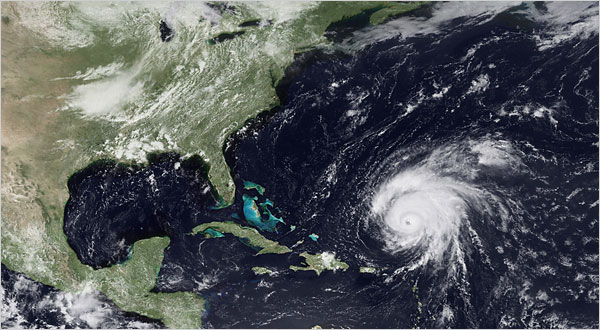
Hurricane Bill was a source of great concern over the last few weeks for storm watchers in the Caribbean and along the southern and eastern coasts of the United States. Cooperation on tracking could not be a matter of politics, even between the Cuban and U.S. governments, because coastal communities in both countries were vulnerable.
It is a relief that in such cases, the good of each population comes before the age-old grudges held on each side. Hurricane specialists and meteorologists in Cuba and the United States shared data as the storm moved. The New York Times reported this week:
Even during Mr. Bush’s presidency, when the trade embargo between the countries was tightened, American and Cuban government meteorologists were cooperating when it came to storms.
While one part of the United States Commerce Department was in charge of enforcing the embargo – fining those who visited Cuba illegally or purchased outlawed Cuban cigars – another part of it was trading information and engaging in training exercises with the Cubans on storms.
And there are benefits to be had on each side from the expansion of such exchanges. Ivor van Heerden, a hurricane expert at Louisiana State University, believes that “American policies should be loosened to allow a transfer of technology to Cuba to help bolster its oceanographic and weather data collection. The United States could learn from Cuba’s evacuation plans, post-disaster medical support and citizen disaster education programs.”
