
In a socialist state like Cuba, part of the grounding theory is that each citizen feels and responds to a moral imperative to work, to take only what he needs, and to help ensure that all are provided for (hopefully) equally. Applying this principle to the case of energy consumption then, one has the responsibility to turn off lights when they are not needed and to lower use of air conditioning and other such energy consuming devices because energy is a scarce resource that must be shared—and thus used sparingly so that all may enjoy some.
Indeed, at first glance this looks like the situation in Cuba right now: the government has pushed energy conservation as an absolute necessity as it tries to reduce the country’s consumption of these foreign supplies. And people have responded. According to Reuters, some neighborhoods are taking turns abstaining for an hour at a time in the evenings. Brigades of school children knock on doors reminding residents of the pressing need to save energy.
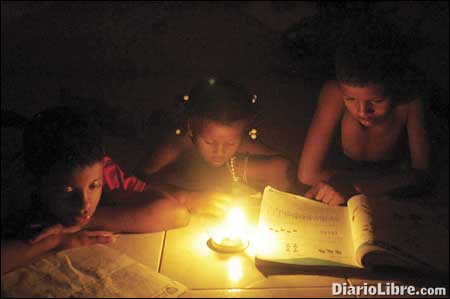
But at some point it becomes difficult to measure the effect the moral imperative has on reducing energy consumption versus the effect that can be attributed to simple self-preservation. In this case we might well be dealing with the latter. Cubans are scrambling to improve their record of energy consumption in order to avoid the dreaded blackouts that plagued the country in the 1990s, and which the Cuban state threatened to reinstate if voluntary actions could not make the desired improvement.
This way, life continues on with only minor inconveniences. Production has apparently not been significantly affected by the energy cuts. Reuters quotes one citizen in today’s piece as saying, “The choice is simple. Save or suffer blackouts, and that is a situation nobody wants to live through again.”
