The Lifestraw
My favorite of the development aid innovations I’ve come across: the Lifestraw!
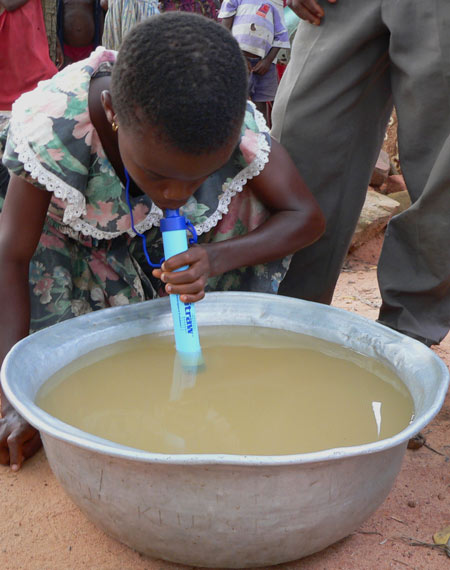
The Lifestraw is a simple looking device: essentially it’s a plastic tube, containing a powerful water filter. This filter is capable of killing bacterial and viral pathogens and filtering particles down to the size of 15 microns. The Lifestraw itself costs only about $5 to produce, and can make an enormous impact for people with little access to clean water (particularly in unstable situations).
There is a lot to say about clean water delivery, and I have already mentioned a few in this blog, with surely more to come. Perhaps it’s my affection for aid delivery mechanisms that impact public health, but I think the Lifestraw is great. It’s cheap, effective, and has an immediate impact, particularly for the most vulnerable in an at-risk population, especially children under the age of 5. It’s not a sustainable solution, but it’s not meant to be: it’s a short-term fix for an immediate problem, and seems highly efficacious. Thoughts?
For your enjoyment, watch this short video about Lifestraw. Caveat: this clip is *rather* ridiculous. Be warned: lymphatic filiariasis and Guinea worm are not diarrheal diseases (as this clip would have you believe). And the “Chariots of Fire” theme song is *totally* appropriate for footage of soldiers drinking water.
