Why the Fires Won't Bring Political Change
Luzhkov, an avid beekeeper, had ordered his prize-winning hives to be evacuated away from the smog. All the while, he has refused to declare a state of emergency for Moscow’s human inhabitants.
This is just one stark example of government callousness and incompetence in the face of the fires that led Simon Schuster to ask, in today’s Time article: ‘Will the Wildfires Stoke Political Change in Russia?’.
Sure, the people are seething with anger at ruling United Russia, and some regional deputies, such as Volgograd’s Vladimir Dvuzhilov, have ripped up their party cards.
Yet Schuster sides with the pessimistic prognosis of political analyst E Volk, who says that “aside from showing the ruling elites that they should do more to manipulate public opinion, give some more handouts, further marginalize the opposition, I don’t think that any real change can come of this”.
Why? Well, one way is using tried and tested UR political technologies. Ahead of trying to strong-arm the October regional elections themselves, UR chiefs are first trying to buy their people’s loyalty: United Russia deputies in Volgograd, the same region where Dvuzhilov resigned, have been given massive holiday bonuses of 350-370000 roubles each,
according to Novie Izvestiya and Kompromat ru.
Depressing? Yes. But this is, alas, not a problem unique to Russia. Where are the surges of anti-gun sentiment in the wake of US school shootings, or the anti-petroleum sea change following the Gulf oil spill? Hell, didn’t Bush and Blair get re-elected after Iraq?
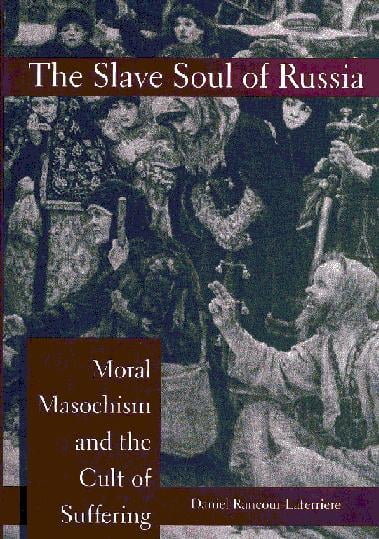
Looking at these similar situations in democracies, it’s not enough to blame the Russian political limpness simply on Kremlin control-freakery without asking broader questions about universal human masochism.