
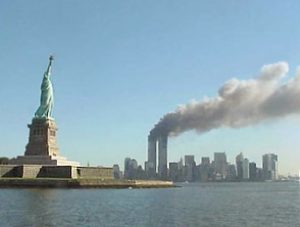
Like many people I still remember exactly where I was and what I was doing as those tragic events unfolded that day in New York City, Washington, D.C. and Pennsylvania. On this the ninth anniversary of the 9/11 terrorist attacks it seems clear that our national media have chosen to filter this anniversary through the lens of the recent debates over the Ground Zero mosque and the recent threat to burn Qurans. I think that is an unfortunate, though perhaps inevitable, effort to fuel drama and fan the flames of fear. I’d prefer to focus only on the event and not be distracted by these sideshows. And I call them sideshows not to diminish their importance, I know many people care deeply about them, but I think it would be wise to step back from the passions of the moment and reflect on that day without the additional baggage that we have accumulated.
How did 9/11 impact the U.S. role in the world? I fear there is not enough space here to offer a complete answer to that question, books have been written after all, and perhaps the answer is still not yet available as we continue the struggle. There is no doubt that the attacks greatly expanded the U.S. role in the world, leading to the invasion of Afghanistan, then Iraq, and much closer security and intelligence collaboration with our allies in NATO and the “coalition of the willing.” The list of countries that fought side by side with the U.S. in Afghanistan and Iraq is a long one and each of them deserve recognition and thanks from the American people.
As I was drafting this post I was intent on offering something specific and practical, some way to solemnly observe this day beyond the distractions offered by the news media. When I checked my e-mail this morning I found a webtech newsletter that I subscribe to highlighting the following websites that allow you to contribute to the ongoing history of 9/11:
Rather than passively observing this day I suggest actively contributing to the narrative by using these sites to share your thoughts and memories as we all reflect together on the meaning and impact of 9/11.
Photo Credit: National Park Service/Wikipedia
