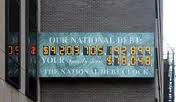
You are probably familiar with the ongoing drama surrounding the U.S. debt and efforts in Congress to raise the debt ceiling. This is an important issue, to be sure, one that has profound implications for U.S. domestic policy as well as foreign policy. This op-ed from The Guardian offers a view from “across the pond” that is at once sobering and alarming. It’s always a bit disconcerting to see how our domestic debates resonate in other countries. This blog post, however, is not about the U.S. financial debt, it’s about another kind of debt, a moral debt.
As you know, the U.S. will soon withdraw from Iraq. This will have severe implications for many of the Iraqis that have helped the U.S. over these many years. Thousands of Iraqis have worked directly and indirectly for the U.S. in many diverse roles over the course of the invasion, war, occupation, and this final draw-down phase. They served as translators, guides, advisors, informants and spies. They served even though they knew it would mean risking their lives and the lives of their families. As this report from The New York Times explains, the U.S. Congress saw the need to offer refuge for these Iraqis and created a special visa program to settle them in the U.S. so they could escape persecution after the U.S. withdrawal:
The flow of Iraqis to the United States this year could be the smallest since 2007, when the Bush administration was facing an uproar for not effectively addressing the refugee crisis. Through the first nine months of the current fiscal year, fewer than 7,000 Iraqis have been admitted to the United States. In March, just seven were admitted on a so-called special immigrant visa — a class established by Congress to quickly move Iraqis in danger for having helped the American government — and in April, just nine […] Congress required the Pentagon and the Departments of State and Homeland Security to draft a plan to expedite visas for the most pressing cases, should insurgents threaten those left behind after the military leaves, and set a deadline of May that was not met.
This is not the first time in our history that we have withdrawn forces from a country after a long war and we know from sad experience what will happen to these Iraqis who helped us after we leave: they will be branded traitors and collaborators by their sectarian and tribal enemies. It’s not an exaggeration to say that these Iraqis have saved American lives and directly contributed to the progress of the U.S. effort in Iraq. We told them we would offer them save haven in the U.S. and we should not allow politics and fear to prevent us from keeping our word. They believed us when we said we needed their help to build a better Iraq, let’s not betray that trust.
