
Despite the best intentions of the U.S., good money is going after bad in Pakistan, one of the most corrupt countries in the world.

Despite the best intentions of the U.S., good money is going after bad in Pakistan, one of the most corrupt countries in the world.
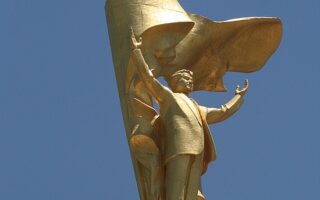
Economic and political isolation envelop the two energy giants.
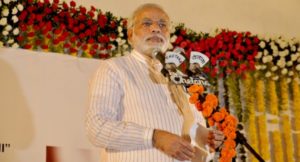
Indian Prime Minister Narendra Modi’s invitation to Barack Obama to attend India’s Republic Day on Monday was not only a great honor bestowed upon the U.S. president but also packed with implications for Chinese foreign policy and influence in the Asia Pacific.
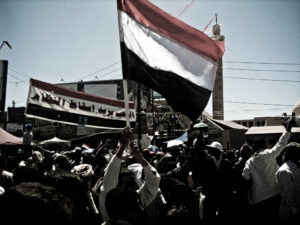
The Houthi, who prefer to call themselves Ansar Allah, or Partisans of God, hail from the Zaydi branch of Shia Islam, a sect that exists almost entirely in Yemen and make up about 35 percent of its population.
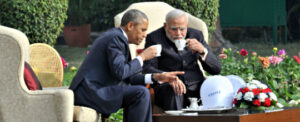
Before Narendra Modi became the prime minister of India, some observers in China believed that he could well be “the Deng Xiaoping of India,” comparing him with the Chinese leader who led the economic reform that has transformed China to a global power from a Third World country.

The U.S. is not alone in trying such a tactic; Brazil is also looking to lowering inequality by raising taxes.
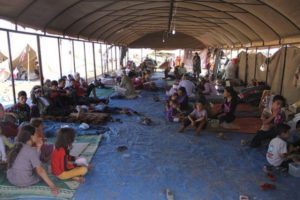
Two Yazidi Iraqi children, ages 12 and 14, recount the horrors that they suffered from Islamic State during their time in captivity.

The disputed waters of the South China Sea have been quiet recently, as a nationalistic Beijing has sought to reassure its neighbors of its peaceful intentions by toning down the rhetoric and hesitating from taking any further aggressive actions.
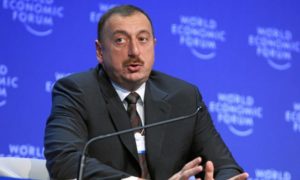
What is clear is that Azerbaijan, like Russia, is placing renewed emphasis tried-and-true Soviet-era techniques, including “whataboutism,” a term coined by U.S. analysts to describe the Soviet officials’ attempts to deflect Western criticism by appealing to the West’s failures.

On Saturday, the Likud released an ad starring Prime Minister Netanyahu as “the kindergarten cop.” He is an adult in a room full of small children, scolding them and admonishing their behavior.
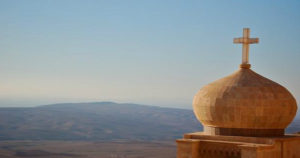
With two new armed forces opposing the Islamic State in Iraq and Syria (ISIS), Iraqi politics and security continues to get even more complicated.
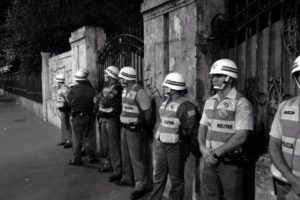
While Brazilian authorities may feel like they dodged a bullet in quelling protester unrest during the recent World Cup, those tensions are merely stewing, waiting for the right moment to emerge.
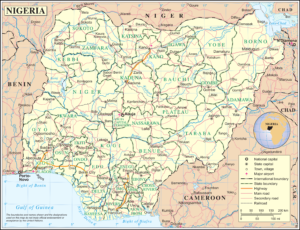
Nigeria, a country of 170 million, spread out in several hundred ethnic groups and split right down the middle between a Christian south and a Muslim north, will head to the polls on Feb. 14 to elect its new president in what promises to be the country’s defining democratic moment.
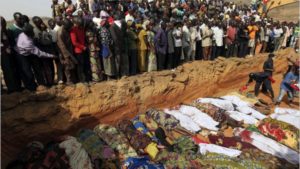
If the reports of the dead are true, this would be Boko Haram’s deadliest attack to date. War between the Islamic extremist group and Nigeria began in 2009, and has claimed an estimated 13,000 lives in six years.
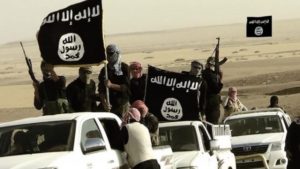
The deaths of two high-ranking officers of the Saudi and Iranian militaries two weeks apart at the hands of Iraqi militants illustrates just how internationalized the regional conflict against ISIS has become.