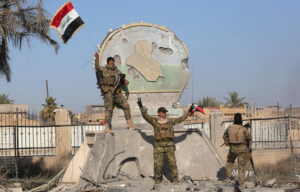
ISIS’s increased activity abroad is a sign of weakness rather than strength: the group has lost around 20% of its territory in Syria and over 40% in Iraq since its peak expansion in August 2014.
ISIS’s increased activity abroad is a sign of weakness rather than strength: the group has lost around 20% of its territory in Syria and over 40% in Iraq since its peak expansion in August 2014.
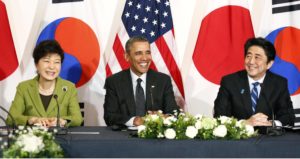
At Hiroshima, the U.S. should project a tone of deepening conciliation, highlighting that the real cement between us and other nations—in Europe, Asia, Australia, and the Americas—is a culture of freedom.

Where governments are unable or unwilling to venture, at least publicly, for fear of losing credibility with their electorates or their allies, parallel diplomacy can offer a way forward.

Russian resurgence has planted seeds of conflict both within individual NATO members, as well as between different geographic areas of the alliance.
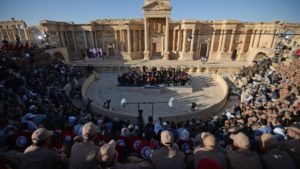
The ancient city of Palmyra has been the stage for mass executions, the destruction of cultural heritage, battles between ISIS and Syrian government forces, and now in an absurd turn of events, a concert put on by Russia’s Mariinsky Theater Orchestra.

The current arrangement is not a long-term solution. More work is needed to develop a system to accommodate those fleeing violence in hopes of a better life.
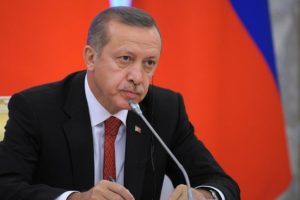
Ankara has manifested a habit of eagerly seeking concessions and funding from the EU, but being notably less keen on keeping its own side of the bargains.
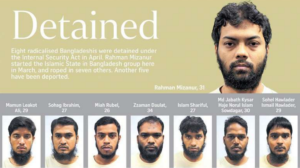
On May 3, Singapore announced that it had detained 8 Bangladeshi workers in April for their alleged membership to the Islamic State in Bangladesh and on suspicion of planning attacks.
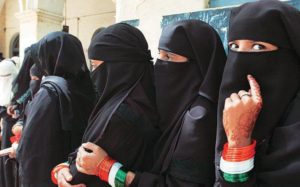
After the 1947 partitioning, one third of the total Muslim population in the British colony were to remain in India. Today, Indian Muslims still have trouble finding their voice and a sense of community.

Terrorism has always been “international”, but what that means has changed as technologies and ideologies have advanced rapidly over the past 150 years.
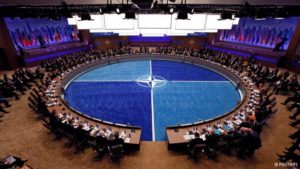
In 1939, an article entitled “Mourir pour Dantzig?” (“Why Die for Danzig?”) argued that France should avoid war with Germany if the latter seized Poland. Today, the Russian-Ukrainian conflict, as well as Russia’s belligerent foreign policy, leads us to ask similar questions.
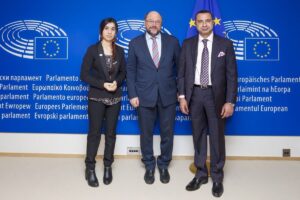
Despite the EU and the US confirming this fact, the Canadian government has resisted calling the atrocities taking place in Syria and Iraq a genocide.
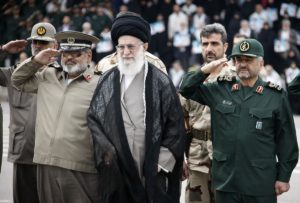
Simultaneously courting the West and expanding its influence beyond its borders could work in the short-term. But in the short-term only.
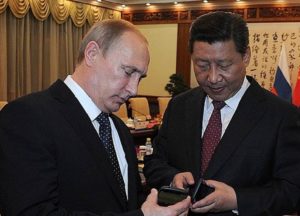
China and Russia are trying to establish a system of their own for internet governance as an alternative to the “hegemonic” Western system they fear.
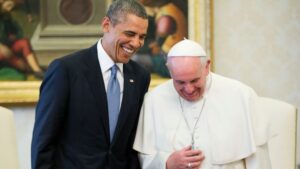
He is outspoken on migration and refugee issues, was involved in brokering an upgrade in U.S.-Cuban relations and takes part in debates on hot-button topics from income inequality to climate change. Francis’ view of the papacy is clearly geopolitical.