
The South China Sea played a prominent role at the Shangri-La Dialogue. However, ambiguity on several issues might prolong these very same tensions.
The South China Sea played a prominent role at the Shangri-La Dialogue. However, ambiguity on several issues might prolong these very same tensions.

A newspaper profile of the President’s foreign policy spokesman has created an uproar based on a distorted notion of the role of foreign policy messaging.
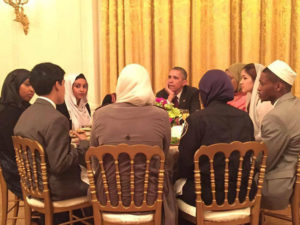
Contrary to what ISIS, al-Shabaab, Boko Haram might preach, the core values of Islam enhanced in Ramadan are meant to be universal.

Naming genocide something else does not make a difference to the victims. Indeed, why anyone would want to re-label a crime against humanity?

With a young, restless population and decreased oil revenues, Saudi Arabia needs to abandon its rentier economic system and build a more sustainable model.

U.S. lawmakers are concerned about the lack of preparation for a possible long term power outage caused by a cyber-attack against the energy sector.

While continued attempts at dialogue seek that elusive common ground, some transparency and risk-reduction measures are in trial mode to keep open channels.
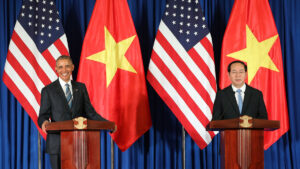
Despite concerns human rights violations in Vietnam, Obama opted to fully lift the arms embargo on lethal military equipment during his recent visit.
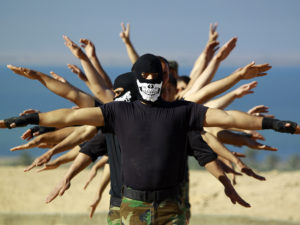
ISIS has abandoned its blitzkrieg-style land grab. Improvised explosive devices, suicide vests, and car bombs have once again become the order of the day.

For the Communist Party, there is no such thing as education or cultural exchange for its own sake: everything is political, everything is ideological.
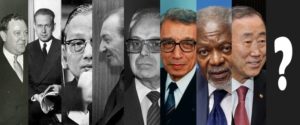
With Ban Ki-Moon’s term as the United Nations Secretary-General ending this year, many candidates have been put forward to replace him.
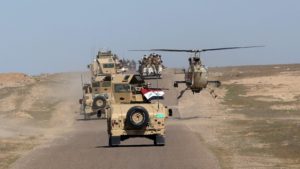
Taking back Mosul would be a key victory for the Iraqi Army and coalition forces and a disastrous defeat for the Islamic State.

The Causeway Bay Bookstore incident and Beijing’s response has posed a serious challenge to Sweden’s “human rights diplomacy.”
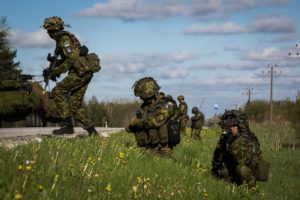
NATO should strengthen both aspects of this renewed dual-track policy—responding to the security needs of its most exposed members, while at the same time advocating dialogue and transparency to diffuse tension in their relations with Russia.

International cooperation on transparency and a coordinated effort to target secretive tax havens and offshore financial arrangements tied to illegal activities were among the issues discussed at the summit.