
Deterrence theory may help explain ISIS’s change of strategy and also how to address it.
Deterrence theory may help explain ISIS’s change of strategy and also how to address it.

While the U.S. is inching closer to pre-crisis unemployment and GDP growth figures, the picture across the pond is much, much darker.
With the mass migration of refugees to Europe, the monitoring and identifying of claimants has been overwhelmed or simply ignored. With the latest attacks in Paris, there has to be accountability by governments to monitor who they allow into their countries.
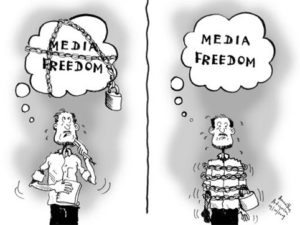
The European Union must do more to tackle endemic corruption and the lack of media pluralism in central and eastern Europe.

Since 2013, cyber has been ranked ahead of terrorism and named the #1 security threat to the U.S. The understanding of, and bridging of this gap is one of the major issues facing this nation and the rest of the world today.
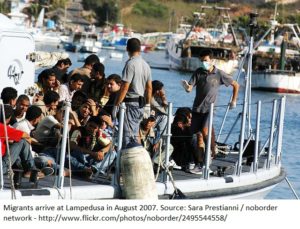
NATO’s cooperation with Algeria offers potential in combating international human trafficking networks. Reviving the ‘regional NATO’ plan for a joint military organization of Saharan states would allow governments to better disrupt the routes used to transport many migrants to the Mediterranean coast.
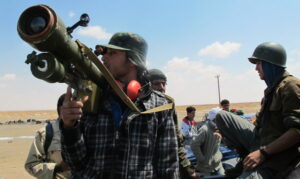
Without a technical issue nor pilot error being the cause of the crash, attention has turned toward a possible external object hitting the plane.

In the U.S., any discussion involving climate change tends to deteriorate into an argument between two factions—those who feel that climate change is a very real threat to the planet, and those who say it is nothing but a scare tactic.

China may be on its way to being a hybrid leader that can avoid overseas adventurism as it tries to rapidly abandon fossil fuels and modernize its unstable neighbors’ economies.

The latest attack in a long series of aggressions left more than 50 people dead and dozens wounded.
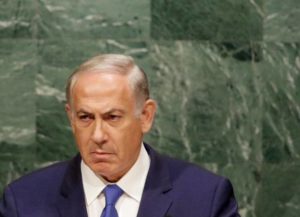
Israeli Prime Minister Netanyahu recently spoke at the UN General Assembly meeting on behalf of the Jewish state.
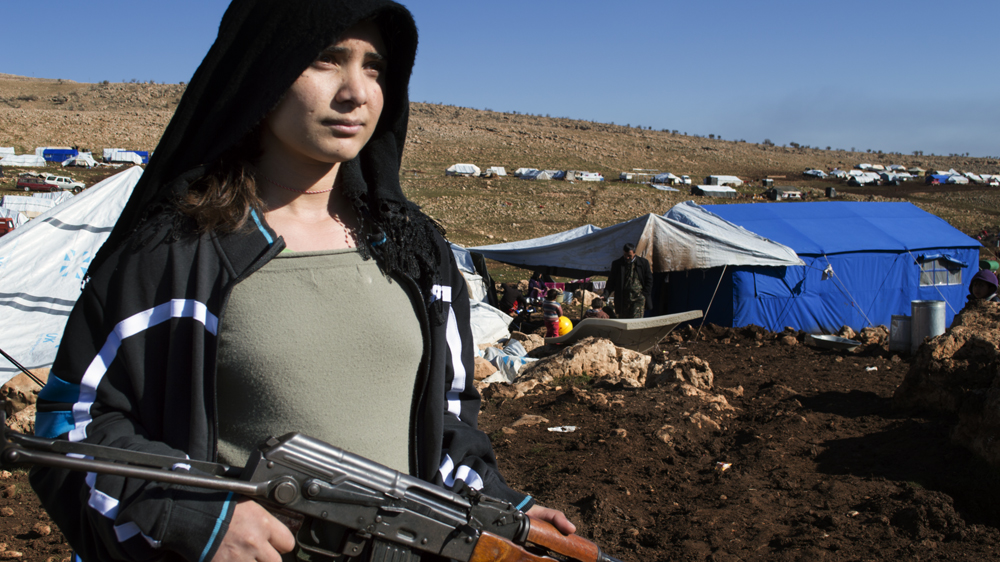
Rwanda will always be remembered as a genocide that came from the failure of the international community to act.
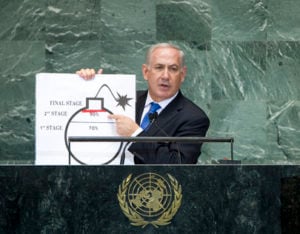
There has been considerable opposition to the Iran Deal. One of the most curious assertions being made, however, is that we cannot negotiate with the Iranians because they cannot be trusted. This simply defies logic. If we trusted them, we would not need to negotiate an agreement.

A great deal has been written about the agreement negotiated between Iran and the P5+1 countries. A lot of the commentary has been nonsense. Here I would like to address three unfounded lines of attack.
