
In the aftermath of the Candlelight Revolution, the Korean people’s demands for constitutionally restructuring the post-1987 presidency have heightened.
In the aftermath of the Candlelight Revolution, the Korean people’s demands for constitutionally restructuring the post-1987 presidency have heightened.
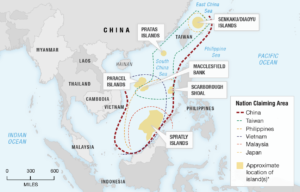
What makes Tillerson’s bellicosity even more absurd is that the U.S. position in the South China Sea has never been weaker.
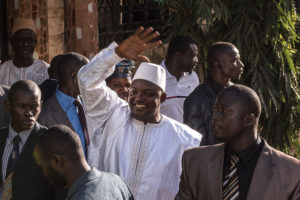
Gambians ousted Yahya Jammeh after 23 years of authoritarian rule. Many are hoping this is a signal that the days of other long-ruling African dictators could be numbered.
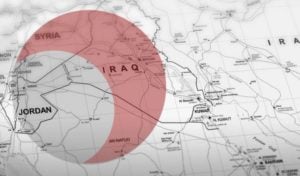
Saudi Arabia and Iran project influence using their interpretations of Islam and the politicization of sectarian identities as instruments of foreign policy.
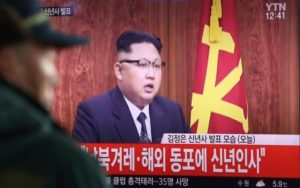
Pyongyang could decide to conduct a new ballistic test in the early weeks of the new administration to gauge President Trump’s response.

News outlets in China were ordered to “downplay” the U.S. inauguration, and to publish only reports from central state media.

A currency shakeup, corruption probes on the oil industry, and a growing crackdown against political opponents. Venezuela’s situation demands our attention.

The protest received little attention in the U.S. but was widely reported in China as evidence of “overseas Chinese” support for Beijing’s “one-China” policy.
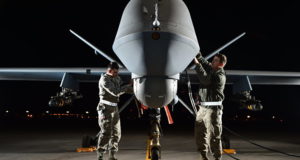
In the summer of 2016, thousands of German citizens stood outside of Ramstein Air Base to protest U.S. drone strikes conducted from there.
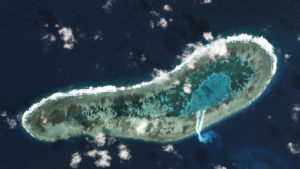
Hanoi has been actively fortifying its key holdings in the Spratlys, including the construction of a runway, tunnels and bunkers to defend its territory against China.
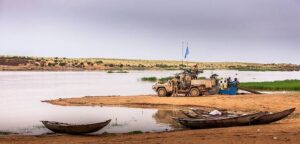
The French intervention and the African-led multilateral force have saved Mali from a total collapse. At the same time, the country is far from long-term stability.

Tensions between Taiwan and mainland China will come to the U.S. this month, just in time for Trump’s inauguration as President of the United States.
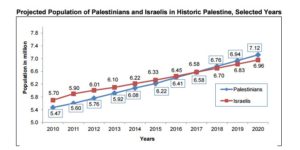
Israel can be Jewish, it can be democratic, and it can be in control of Greater Israel. But it can only choose two out of three.
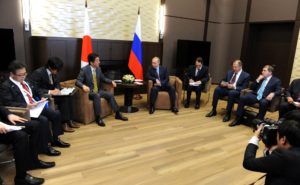
U.S.-Russian hostilities have decreased U.S. strategic options with respect to China, enabling Shinzo Abe’s own Russian diplomacy to be more fruitful.
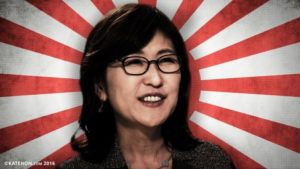
The visit sparked anger among the country’s neighbors—particularly China and South Korea—that suffered under Japanese occupation during World War II.