
Alliance cohesion—a crucial requirement to successfully implement the Warsaw Summit commitments and tackle current security threats—is increasingly being tested.
Alliance cohesion—a crucial requirement to successfully implement the Warsaw Summit commitments and tackle current security threats—is increasingly being tested.
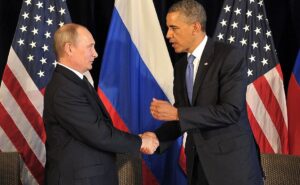
The unthinkable has happened as rising U.S.-Russia tensions in Syria have started to undermine global security through a key nuclear deal cancellation.
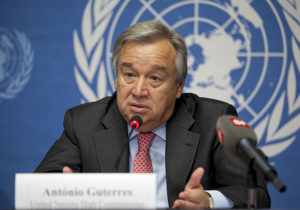
The Secretary-General post requires three things at once: Guterres needs to be a diplomat, a bureaucrat, and a politician.

Diplomacy today is mobile, continuous, and often time-urgent. The technology, on the other hand, is stationary and only intermittently available.

The tension between diplomacy and security within the State Department, and mismatched technology, are the real issues in the Clinton e-mail affair.

The transatlantic community faces threats on multiple fronts, rendering NATO as essential to its security as it has ever been.
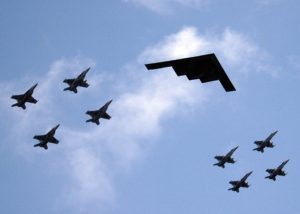
Global economic interdependency and states’ pursuit of self-interest in today’s multi-polar world combine to undermine U.S. efforts at primacy.

In late August, Martin Konvicka, a Czech anti-immigrant nationalist planned and staged a fake ISIS assault in the middle Prague’s Old Town Square.
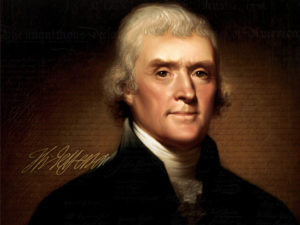
Does economic development lead to democracy? This question has been at the center of the debate among modernization theorists in the past decades.
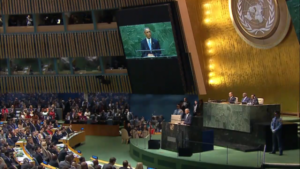
For the UN to reflect today’s world accurately, it must reform both the Security Council and national contributions to the UN budget.

Politics matter. Climate change policies, such as carbon levies and emissions trading, need to reflect political conditions on the ground.
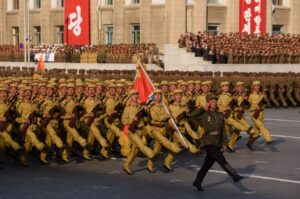
Drawing from the opinions of 70 analysts, the simulation “gamed out” the various pathways to collapse and the response of major actors in the region.
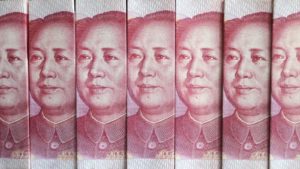
In the sixth and final installment of the virtual roundtable, Marc Chandler discusses China’s economic growth prospects in the current transitional period.
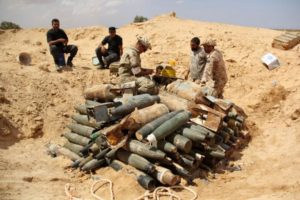
Many had hoped that the overthrow of Muammar Qaddafi in 2011 would herald a new era for Libya. Yet, five years later, stability remains a long-off goal.

Social media is now on the front lines of many international conflicts with clicks and ‘follows’ being the new version of voting with your feet.