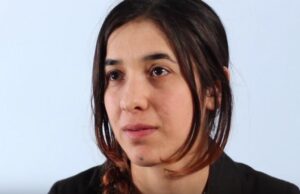
It is not unreasonable to think that all minorities will be wiped out of the Middle East very soon, simply because of our lack of interest.
It is not unreasonable to think that all minorities will be wiped out of the Middle East very soon, simply because of our lack of interest.

The global economy has been leaning on monetary policy—the printing of money by central banks —to avoid decline. But what are the spillover effects?

“I’ve been, in one capacity or another, in the intel business for 52 years and I don’t remember a time when we had been beset by more crises and challenges around the world” -James Clapper

In the fifth installment of the virtual roundtable, Stephen Roach discusses U.S.-China economic relations, as China’s GDP overtakes that of the U.S.

Niger remains a source, transit, and destination country for men, women and children trafficked into various forms of modern day slavery.
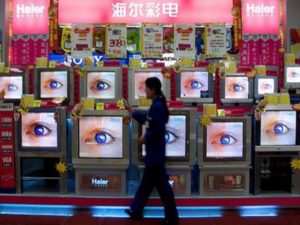
Wishing to appear strong and confident, China’s rulers only reveal their own weakness and fear through such absurd ideological campaigns.
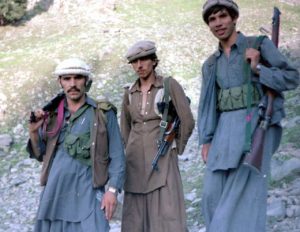
History never repeats; but it rhymes, and it often echoes. What can Robert Kaplan’s study of the mujahidin teach us about ISIS?

Electricity provides a way out of poverty, offering the ability to connect with the outside world and to relay events domestically and globally.

Global warming has heightened the probability of catastrophic natural disasters, challenging the risk management capability of governments.
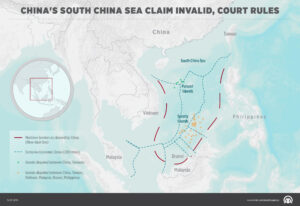
In the fourth installment of the virtual roundtable, Prof. Toshi Yoshihara discusses U.S.-China relations, in the light of the Hague’s court ruling.

Astronomical amounts of money are being spent on soccer (football) transfers. These days, no one is shocked at news of multi-million dollar signings.
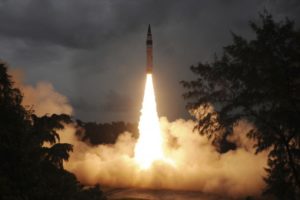
Maybe the U.S. is ready to adopt a “no first use” policy for its nuclear arsenal but its allies, dependent on America’s “nuclear umbrella”, are not.

The key to crafting effective counterterrorism policies depends on balanced judgments between democratic principles and security policies.
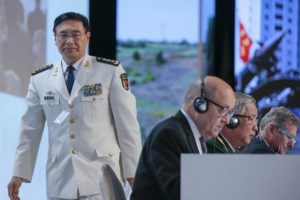
In the third installment of the virtual roundtable, Bonnie Glaser discusses the security dimensions of the U.S.-China Relations.

The current American presidential election has placed Islam and Muslims on the center stage of a nasty campaign politics.