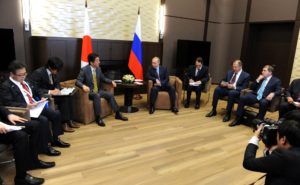
U.S.-Russian hostilities have decreased U.S. strategic options with respect to China, enabling Shinzo Abe’s own Russian diplomacy to be more fruitful.
U.S.-Russian hostilities have decreased U.S. strategic options with respect to China, enabling Shinzo Abe’s own Russian diplomacy to be more fruitful.
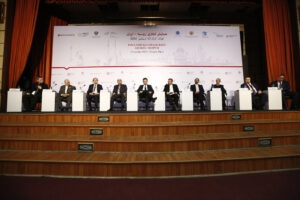
As Iran’s economy is likely to become a bonanza for foreign companies in the upcoming years, Russia is preparing to secure its share.

Many are wondering how the nomination of General James “Mad Dog” Mattis as the new Secretary of Defense will influence future U.S.-China relations.
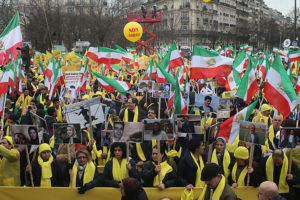
As President-elect Trump picks his Secretary of State, discredited claims about an Iranian resistance group—the Mujahedin-e Khalq (MEK)—resurface.

Militarily, NATO should stay out of Yemen. But the Alliance should mitigate the effects of the conflict at sea where international shipping could be affected.
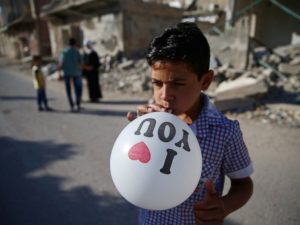
Toxic polemics disseminated mainly by those loyal to Saudi Arabia and Iran made a full-blown Sunni-Shia civil war across the Muslim world a matter of time.

In the eyes of Russia, Iran, American allies and many Americans themselves, the United States is no longer guiding foreign policy in the Middle East.

Islamists not only look at religion as a panacea to political issues, but also as a provider of social justice and an engine of economic prosperity.
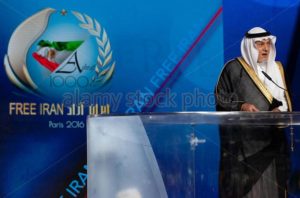
The speech delivered by Saudi Arabia’s Prince Turki bin Faisal al-Saud at the Iran Freedom Rally drew attention, and raised more than a few eyebrows.
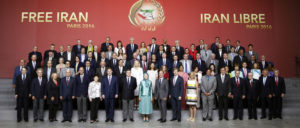
Thousands of Iranian opposition members and international supporters gathered in Paris in July for the National Council of Resistance of Iran conference.
Iranian dissidents gathered in Paris to show their support for democratic change and their opposition to Western deal-making with the country’s leadership.
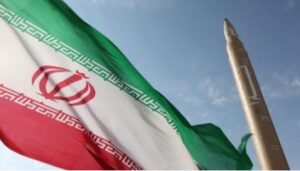
One year after the nuclear deal, how has the lifting of sanctions affected regional security after Iran’s return to the international scene?

A newspaper profile of the President’s foreign policy spokesman has created an uproar based on a distorted notion of the role of foreign policy messaging.
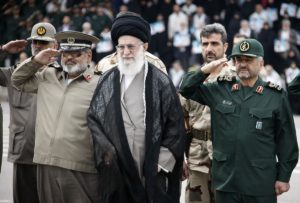
Simultaneously courting the West and expanding its influence beyond its borders could work in the short-term. But in the short-term only.

Looking forward, it is clear that the challenges the Navy face are shifting in character, are increasingly difficult to address in isolation, and are changing quickly. This will require us to reexamine our approaches in every aspect of our operations.