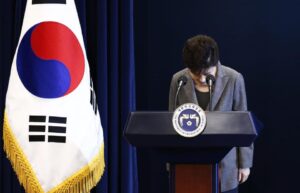
South Korea’s new president will largely determine the future of the US-ROK alliance, relations with China, and the security approach in the Korean peninsula.

South Korea’s new president will largely determine the future of the US-ROK alliance, relations with China, and the security approach in the Korean peninsula.
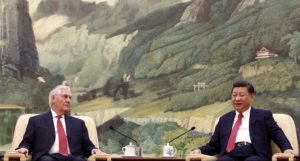
Permanent neutrality for a unified Korea may initially appear to be a radical proposal to the DPRK issue, but the days of conventional thinking are over.

The new pick for U.S. trade representative, Robert Lighthizer, recently signaled the new administration’s get-tough approach to China over trade issues.

While the impeachment of President Park Geun-hye paralyzed South Korea’s diplomatic service, Japan has worked to strengthen Trump’s commitment to its defense.
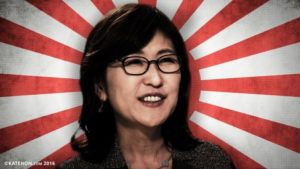
The visit sparked anger among the country’s neighbors—particularly China and South Korea—that suffered under Japanese occupation during World War II.

While campaigning, Trump argued that the U.S. should no longer pay for Seoul’s defense. As president-elect, he has reversed his claim.

Waters are heating up again in Asia, as Chinese fisherman came under fire last Tuesday some 92 kilometers southwest of South Korea’s Socheong Island.
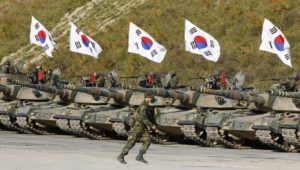
Japan and South Korea are the most strategically valuable U.S. allies in the region. They are also the most exposed to the North Korean military threat.
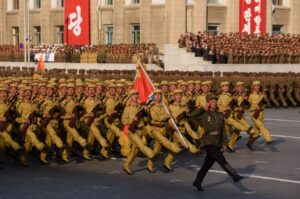
Drawing from the opinions of 70 analysts, the simulation “gamed out” the various pathways to collapse and the response of major actors in the region.
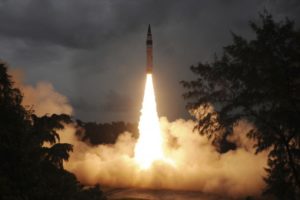
Maybe the U.S. is ready to adopt a “no first use” policy for its nuclear arsenal but its allies, dependent on America’s “nuclear umbrella”, are not.

Post-war Japan’s constitution was an avant-garde collage of high-edge liberal democratic universal norms that revolutionized an outmoded governance system.
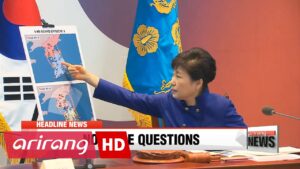
After months of intense negotiations, the US-South Korea Joint Working Group announced the deployment of the Terminal High Altitude Area Defense (THAAD).
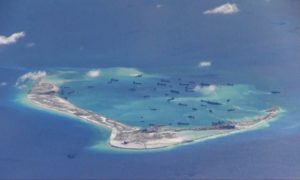
On July 12, an international tribunal in The Hague issued a scathing rebuttal to China’s expansive claims. What has been Beijing’s reaction so far?
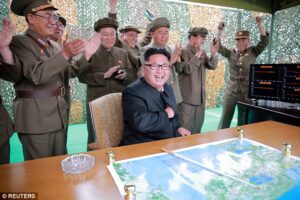
North Korea’s latest missile test represents an evident shift in the region’s balance of power, threatening the U.S. and its allies.
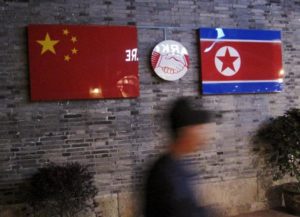
Groups of North Korean workers in China successfully fled to the South in April and May, signaling that Beijing is losing patience with the Kim’s regime.