Political and sovereign debt risks in Spain, conflict in the Korean peninsula and US economic uncertainty send global markets tumbling in May.
Political and sovereign debt risks in Spain, conflict in the Korean peninsula and US economic uncertainty send global markets tumbling in May.
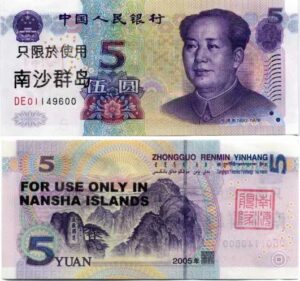
U.S. administration officials arrived in Beijing today (Monday) for high-level talks between America and China, Beijing officials sought ahead of the newly formed annual strategic summit to avoid open disagreement on the Democratic People’s Republic of Korea (North Korea) apparent sinking of a South Korean warship, exchange rates, currency reforms and other big issues that divide the two nations.

Can anything stop the Euro’s decline and its toxic after-effects? With the single currency facing the biggest crisis of its existence, Market reaction was cool; the Euro sank this week to a four-year low against the Greenback, and European stock markets have taken a battering.
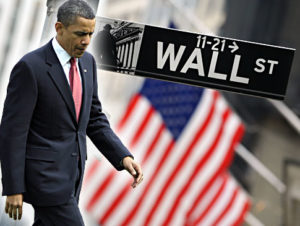
The U.S. Senate had finally, and unexpectedly, passed the much ballyhooed Wall Street Reform legislation. The Senate vote, 59-39, represents a major achievement for the Obama administration despite strong GOP opposition and coming just months after the historic, but substantially watered-down, Healthcare reform package.
With last week’s welcomed news of robust jobs growth, and yesterday’s announcement that consumer prices fell in April for the first time in 13 months as energy prices tumbled and high unemployment limited the private sector’s ability to raise prices.
A synopsis of market-moving news and developments in the Emerging Markets.
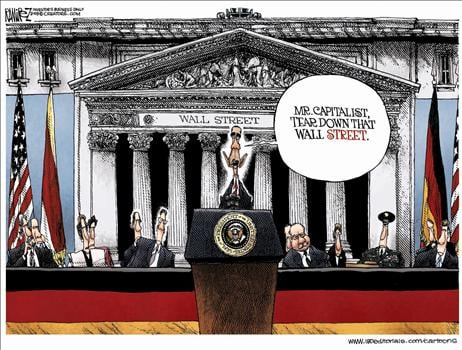
Wall Street reform bill is taking that rarest of paths as it meanders through the Senate: it’s actually gaining tougher provisions against the industry as it proceeds, not being watered down to win votes as health care reform was. And that puts the president’s opponents, Republicans, in an increasingly difficult position.
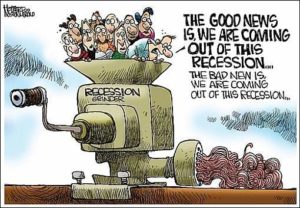
If the economy produces jobs over the next eight months at the same pace as it did over the past four months, the nation, under the Obama administration, will have created more jobs in 2010 alone than it did over the entire eight years of George W. Bush’s presidency.
Using high-speed, high-frequency programmed trades, Traders in effect bend down to pick up those pennies – often millions lying around in the stock market – then do it again, sometimes thousands of times a second. There is nothing wrong with this activity in, and of itself, however, HFTs have become a matter of financial public policy and regulatory review given a glimpse into its potential harm to efficient Markets. Left un-checked this could become the next big financial disaster waiting to happen.
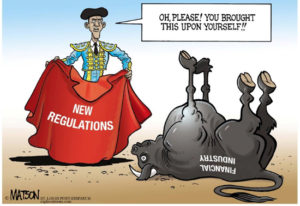
Financial Regulatory Reform Update from around the horn for the week of 11 May 2010.
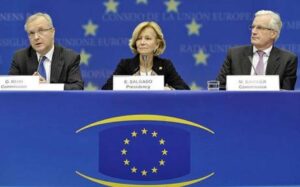
In an effort to stem the deepening collapse from the Greece Sovereign Debt crisis, finance ministers from the European Union agreed on a deal that would provide $560 billion in new loans and $76 billion under an existing lending program. Elena Salgado, the Spanish finance minister, who announced the deal, also said the International Monetary Fund was prepared to give up to $321 billion separately.
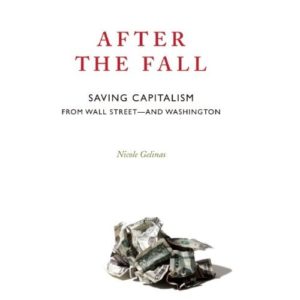
Today’s precipitous sell-off in US Markets – the most volatile single day of trading in Wall Street history – my most recent read, After the Fall: Saving Capitalism From Wall Street & Washington, by Nicole Gelinas of the Manhattan Institute, is suddenly very relevant. Her premise is that robust financial markets support capitalism, they don’t imperil it.
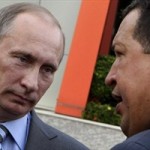
On Vladimir Putin’s first visit to Venezuela, the Russian Prime Minister has offered to help Venezuela set up its own space industry infrastructure and capabilities — including, importantly, a satellite launch site – for the South American nation, thus threatening US Western hemisphere hegemony.

That a tsunami of anger over healthcare reform today is illogical, given that what the right calls “Obamacare” is less provocative than either the Civil Rights Act of 1964 or healthcare benefits in other wealthy industrial nations. But the explanation is plain: the health care bill is not the main source of this anger and never has been. It’s merely a handy excuse.
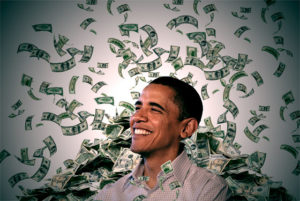
Obama is beginning to look like a financial guru with investment performance that puts even the brightest Wall Streeters to shame. The Administration is presently making final preparations to sell its stake in the New York bank, according to one of my reliable industry sources. At Friday’s closing price for Citibank, the sale would net over $8 billion – by far the largest profit returned from any firm that accepted bailout funds